
Trustpilot
Get 501(c)(3) Status, Filed with Confidence
Apply online and we'll prepare and file your 501(c)(3) application.
Have questions? Call (888) 340-0089 to speak with a business specialist.
Trustpilot
Apply online and we'll prepare and file your 501(c)(3) application.
Get StartedHave questions? Call (888) 340-0089 to speak with a support specialist.
How to Apply for 501(c)(3) Status in 3 Simple Steps
Share Your Nonprofit Details
Tell us about your mission, structure, and planned activities so your application is guided correctly from the start.
Prepare and File Your Application
We help organize and submit the appropriate IRS form based on your application details.
Receive Your Determination Letter
Once approved, you'll receive official confirmation of your nonprofit's federal tax-exempt status.
What is 501(c)(3) Status?
501(c)(3) status is a federal tax-exempt designation under IRS rules. It allows eligible nonprofits to be exempt from federal income tax, and donations made to them may be tax-deductible.
Many organizations pursue this status to support credibility, fundraising efforts, and long-term sustainability.

Benefits of 501(c)(3) Status
Tax exemption and donation deductibility can support fundraising and long-term stability.
What is 501(c)(3) Status?
501(c)(3) status is a federal tax-exempt designation under IRS rules. It allows eligible nonprofits to be exempt from federal income tax, and donations made to them may be tax-deductible.
Many organizations pursue this status to support credibility, fundraising efforts, and long-term sustainability.
Benefits of 501(c)(3) Status
Tax exemption and donation deductibility can support fundraising and long-term stability.
Is 501(c)(3) Status Right for Your Nonprofit?
501(c)(3) status is commonly used by nonprofits formed to support charitable and public benefit missions. The IRS outlines specific requirements for organizations that choose to pursue this designation. Beacon provides clear, guided support to help you understand the application process and required information, so you can decide how to move forward.
Public Benefit Mission
Organizations that pursue 501(c)(3) status are typically formed to support charitable, educational, religious, scientific, or other public benefit purposes.
Organized Structure
Applicants generally have a defined organizational structure, such as governance roles and basic organizational records.
IRS Requirements
Organizations applying for 501(c)(3) status are expected to follow IRS rules related to activities, finances, and operations.
Why Choose Beacon for Your 501(c)(3) Application
Guided support through the online 501(c)(3) application process
Built for Nonprofits
Designed specifically for nonprofit formation, not general business filings
Structured Application Process
Guidance organized around the steps and information required for the 501(c)(3) application
Plain-Language Explanations
Information presented clearly, without unnecessary legal or tax jargon
Support Beyond Submission
Continued guidance to help you understand what happens after your application is submitted
Long-Term Compliance Awareness
Built to support understanding of ongoing nonprofit filing and compliance responsibilities
Step-by-Step Guidance
Helps founders understand each stage of the process as they move forward
What Happens After 501(c)(3) Status Approval?
Receiving an IRS determination letter is an important milestone, but it's only one part of running a nonprofit. After approval, nonprofits are subject to ongoing federal and state requirements that help maintain good standing over time.
Learn What Comes NextBeacon Nonprofit Resources Made Simple
Plain-language guides to help you form your nonprofit, understand structures, and stay compliant.

Nonprofit Incorporation Checklist: What You Need Before You File

Use this nonprofit incorporation checklist to understand what information you need before filing your Articles of Incorporation and how to avoid common filing mistakes.

How to Write Articles of Incorporation for a Nonprofit (With Example)
Articles of incorporation are the legal foundation of your nonprofit. This guide walks you through exactly what to include, what the IRS and your state require, and provides a real example so you can file with confidence.

How to Write Nonprofit Bylaws: What to Include
Learn how to write nonprofit bylaws, what to include, and how they support governance, compliance, and 501(c)(3) readiness.

How to Form a Nonprofit Organization in 8 Steps
Starting a nonprofit organization is one of the most meaningful steps you can take for your mission, and it's more manageable than it might seem.

How to Apply for an EIN for a Nonprofit Organization
An EIN is a federal tax ID number your nonprofit needs to open a bank account, hire employees, and apply for 501(c)(3) status. This guide walks you through exactly how to apply for an EIN for your nonprofit, step by step.

How to Apply for 501(c)(3) Tax-Exempt Status
Applying for 501(c)(3) tax-exempt status allows nonprofit organizations to receive tax-deductible donations and operate as federally recognized charities. This guide explains the steps required to apply, including forming a nonprofit corporation, obtaining an EIN, preparing governance documents, and submitting IRS Form 1023 or Form 1023-EZ.
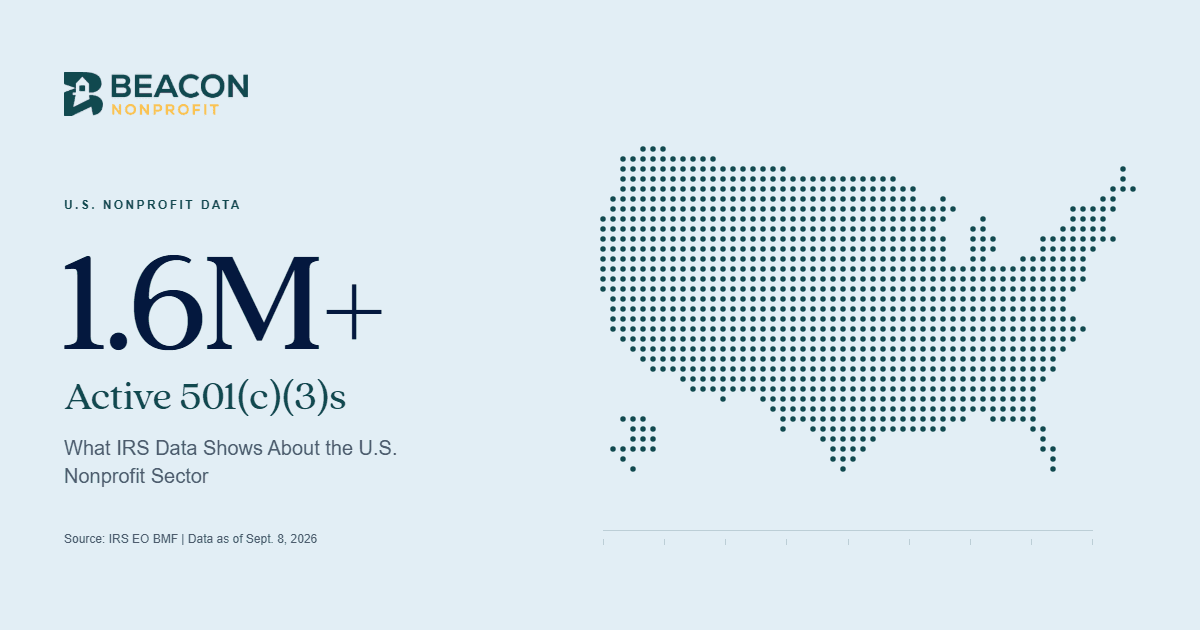
The Health and Growth of the U.S. Nonprofit Sector
IRS data reveals a U.S. nonprofit sector of more than 1.6 million active 501(c)(3) organizations, and a third of them received federal recognition since 2020. Here's what the numbers show about sector size, composition, and long-term sustainability.

Are Donations to Nonprofits Tax-Deductible?

Not all donations to nonprofits are automatically tax-deductible. Learn which organizations qualify, what donors need to claim a deduction, and what nonprofit founders should know to support their donors confidently.

Nonprofit Recordkeeping Requirements Explained
Keeping good records is one of the most important responsibilities a nonprofit has. This guide explains what nonprofit recordkeeping requirements apply to your organization, which documents to keep, how long to keep them, and how to build a system that protects your tax-exempt status for the long term.

Do Nonprofits Need an Accountant?
Many nonprofit founders wonder whether they need an accountant, a bookkeeper, or both. This guide explains the difference between bookkeeping and accounting, when each is typically needed, and how nonprofits can make practical financial decisions as they grow.

Nonprofit Filing Deadlines Every Founder Should Know
Nonprofit founders have a lot to keep track of, and filing deadlines are among the most important. This guide breaks down the key dates, forms, and rules you need to know to keep your organization in good standing with the IRS and your state.

Annual Nonprofit Filings Explained: IRS & State Requirements
Annual nonprofit filings are a routine part of staying in good standing with the IRS and the state. This guide explains what nonprofits are expected to file each year, how federal and state requirements work together, and how founders can approach compliance with clarity and confidence.

What Is a Nonprofit Fiscal Year?
Your nonprofit's fiscal year is more than a date range. It shapes your Form 990 deadline, your audit cycle, and how your board reviews finances. Here's what every founder needs to know about choosing, reporting, and staying on top of your fiscal year.

501(c)(3) Requirements: What You Need to Qualify
Understanding the IRS requirements for 501(c)(3) is the first step toward building a tax-exempt nonprofit. This guide walks first-time founders through every key 501(c)(3) qualification—from your organization's purpose to its structure and ongoing obligations, so you can move your mission forward with confidence.

What is a 501(c)(3)? A Plain-Language Guide for First-Time Founders
A 501(c)(3) is the IRS designation that gives charitable nonprofits tax-exempt status and makes donations to them tax-deductible. This guide breaks down what it means, who qualifies, and what to expect as a first-time founder.

Types of Nonprofit Structures Explained
Your legal structure shapes everything from how your board operates to how you apply for tax-exempt status. Learn the main nonprofit structures, what makes them different, and how to choose the right one for your mission.

Nonprofit LLC vs. Nonprofit Corporation: What's the Difference?
Thinking about the right structure for your nonprofit? This guide breaks down the key differences between a nonprofit LLC and a nonprofit corporation, so you can move forward with confidence.

Private Foundation Rules Explained: What Nonprofit Founders Need to Know

Private foundations offer a powerful way to pursue philanthropic goals, but they come with strict IRS rules around taxes, distributions, and self-dealing. This guide explains how private foundations work, what compliance requirements founders must meet, and how they compare to public charities — so you can decide if this structure is right for your mission.

Public Charity vs. Private Foundation: Understanding Nonprofit Types
Choosing between a public charity and a private foundation is an important early decision for nonprofit founders. This guide explains how each structure operates, the compliance responsibilities involved, and how to determine which model best supports your mission and long-term organizational goals.

How to Start a Private Foundation
Starting a private foundation gives you a structured, tax-exempt way to direct charitable giving toward the causes you care about most. This guide walks first-time founders through every step, from incorporating at the state level to applying for 501(c)(3) status with the IRS.

Nonprofit Purpose, Mission, and Vision Statements: What's the Difference?
Purpose, mission, and vision statements each serve a different role in your nonprofit. This guide breaks down what each one means, how they work together, and how to write them with clarity and confidence.

Can Nonprofits Have Employees and Volunteers? What Founders Need to Know
Yes, nonprofits can have both paid employees and volunteers. Understanding how each type of worker is classified, compensated, and protected matters for your organization's compliance, finances, and culture.

Virginia Nonprofit Board Requirements: Directors, Officers & Governance
A board is not a formality on your articles of incorporation. It is the legal structure that decides everything else your nonprofit does.

Virginia Nonprofit Filing Requirements: What You Need to Know
Starting a nonprofit in Virginia is only step one. Staying compliant with the state and IRS each year is what keeps your tax-exempt status alive and your mission running.

How Much Does It Cost to Start a Nonprofit in Virginia
Starting a nonprofit in Virginia involves more moving pieces than most founders expect, but knowing all the fees up front is what separates a smooth launch from a budget-busting surprise.

Virginia Nonprofit Articles of Incorporation: Requirements & Filing Guide
Filing your Articles of Incorporation is the legal starting point for any Virginia nonprofit. This guide breaks down exactly what the state requires, what the IRS expects, and how to file the first time correctly.

North Carolina Nonprofit Board Requirements: Directors, Officers & Governance Rules
A clear look at how many directors North Carolina law requires, what officers you need, and the governance rules that keep your nonprofit compliant and fundable.

Nonprofit Donation Receipts: What Organizations Need to Know
If your nonprofit accepts donations, IRS rules require written acknowledgment for certain gifts. This guide breaks down exactly what donation receipts must include, when you're required to send them, and how to handle different contribution types correctly.

What Happens If a Nonprofit Doesn't File Its Annual Report?
Missing an annual report deadline can put your nonprofit's good standing and even its tax-exempt status at risk. Here's what actually happens when a nonprofit doesn't file, and how to get back on track.

Does Your Nonprofit Need a Foreign Qualification?
If your nonprofit is operating in more than one state, you may need to register in each state where you're active, a process called foreign qualification. This guide explains what it is, when it's required, and how to stay compliant as your mission grows.

Nonprofit Legal Services
Nonprofit legal services help founders navigate incorporation, 501(c)(3) status, bylaws, and compliance. Learn what legal support nonprofits need and when to seek it.

Nonprofit Board Member Fiduciary Duties Explained
Fiduciary duties define what nonprofit board members are legally and ethically required to do. This guide explains the three core duties (care, loyalty, and obedience) in plain language, with practical examples to help first-time founders build a board that leads with integrity.

What Insurance Does a Nonprofit Need? A Plain-Language Guide for New Organizations
Most nonprofits need several types of insurance to protect their organization, board members, staff, and volunteers. This plain-language guide explains the four main coverage types every new nonprofit founder should understand before they open their doors.

Who Is Responsible for Nonprofit Compliance?
Nonprofit compliance isn't one person's job. From the board of directors to nonprofit leadership and staff, different people may play a role in keeping an organization compliant. This guide breaks down who may be responsible for what and how clear ownership can help your nonprofit stay organized and in good standing.

Nonprofit Conflict of Interest Policy: What It Is and Why Your Organization Needs One
A conflict of interest policy protects your nonprofit's credibility and is expected by the IRS when you apply for 501(c)(3) status. Learn what the policy requires, what it should include, and how to put one in place the right way.

Nonprofit Board of Directors Requirements: What States and the IRS Expect
Every nonprofit needs a board of directors, but requirements vary by state and the IRS has expectations of its own. This guide explains the minimum number of directors, who can serve, what officer roles are typically required, and how your board structure connects to 501(c)(3) eligibility.
We're Here to Help
Have questions about starting or running your nonprofit? Call us at (888) 340-0089 or explore our FAQs for quick answers.
501(c)(3) status is a federal tax-exempt designation granted by the IRS to qualifying nonprofit organizations. Organizations with this status are generally exempt from federal income tax, and donations made to them may be tax-deductible, subject to IRS rules.
Organizations apply for 501(c)(3) status by submitting an application to the IRS, typically using Form 1023 or Form 1023-EZ, depending on eligibility. The application requires information about the organization's mission, structure, governance, and planned activities.
Processing times vary based on the type of application submitted and IRS workload. The IRS determines all review timelines, and processing times can change.
No. A nonprofit organization can be legally formed at the state level before applying for 501(c)(3) status. However, 501(c)(3) status is required for federal income tax exemption and for donations to be eligible for tax-deductible treatment.
No. 501(c)(3) status is not automatic. Organizations must apply to the IRS and meet specific federal requirements to receive approval.
Form 1023-EZ is a streamlined application available to certain smaller nonprofits that meet specific IRS eligibility criteria. Form 1023 is the standard application used by organizations that do not qualify for the EZ form.
After approval, the IRS issues a determination letter confirming tax-exempt status. Organizations are then subject to ongoing federal and state requirements, including annual filings.
Start Your 501(c)(3) Application with Confidence
Move forward with clear steps and structured guidance through the application process.